
Talk to Mercury, the Roman god
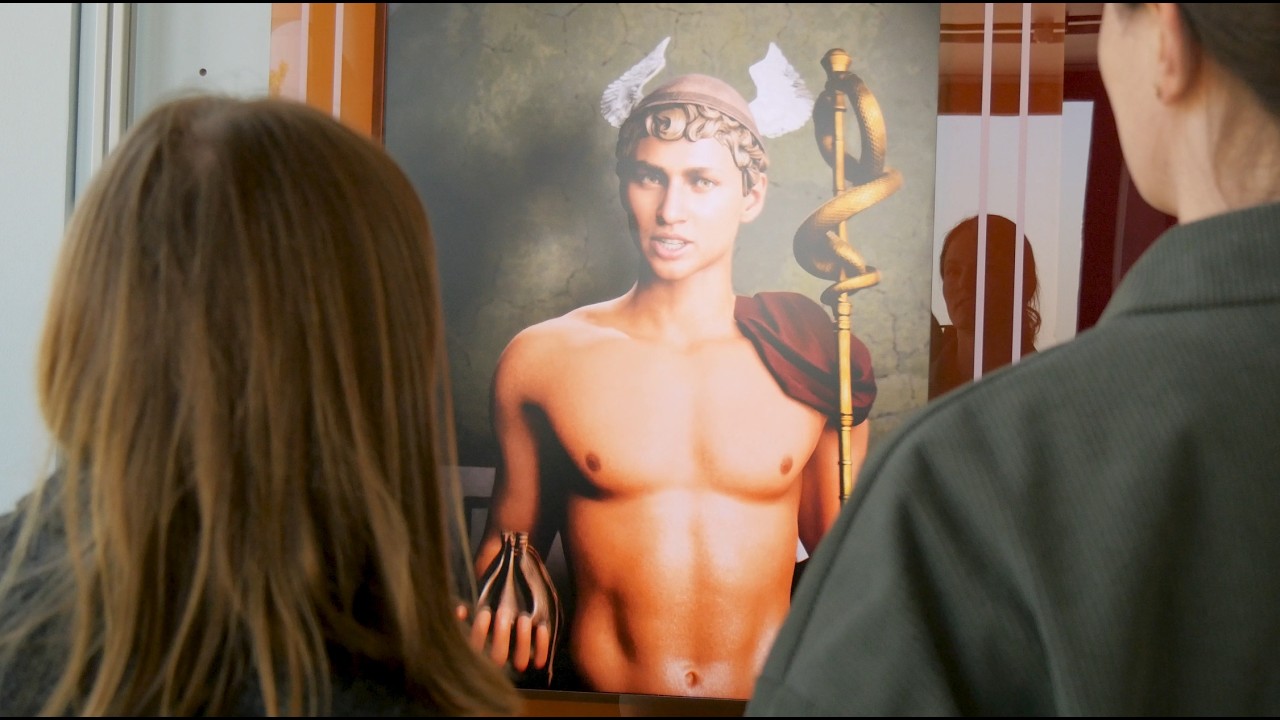
A statue head of the Roman god Mercury, found during excavations, became an AI-powered Digital Human visitors speak with in real time. Created with IPAI SPACES, the IPAI Foundation and Städtische Museen Heilbronn. Open since May 2026.

Watch Mercury come to life at IPAI Heilbronn.
Created with IPAI SPACES and the IPAI Foundation for Städtische Museen Heilbronn and Museum im Deutschhof. See how visitors meet the Roman god face to face.
Facts


Creating an interactive Roman god Mercury experience
During construction on the IPAI campus in Heilbronn, excavations turned up Roman finds, among them the head of a statue of Mercury.
An object like that is easy to display and hard to explain. It sits in a case with a label, and unless visitors already know about Roman provincial religion, it stays a stone head. The institutions wanted people to be able to ask about it.
A real-time AI-powered Digital Human
Voice-controlled
Visitors speak to him about Roman history, mythology and the excavations.
Real-time interaction
He answers dynamically in real time, bringing the ancient artefact to life through conversation.
Broader display context
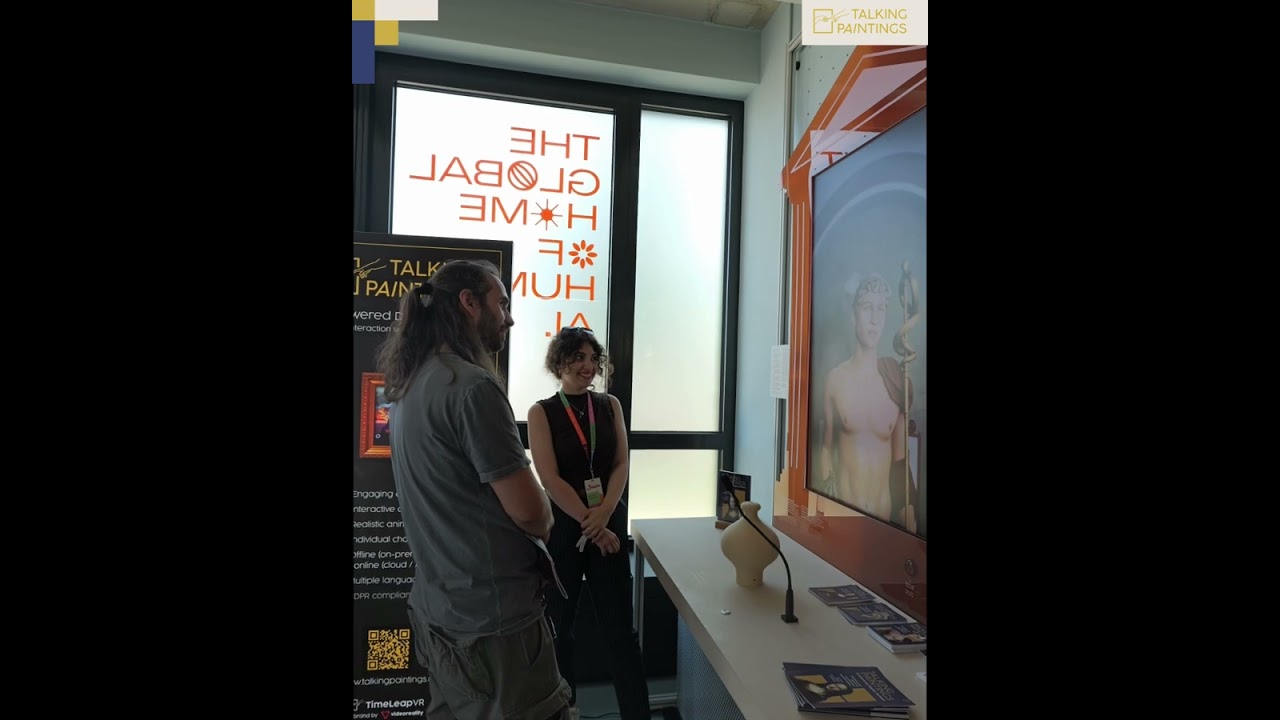
Shown alongside museum displays at the Deutschhof and research demonstrators such as KIKu, Imagines Nummorum and AutArch at IPAI SPACES.
Mercury success story
The interactive Mercury opened on 7 May 2026 as part of a collaboration between the IPAI Foundation and Städtische Museen Heilbronn.
At IPAI SPACES, Mercury appears alongside AI research demonstrators and Reverse Archaeology by media artist Egor Kraft, connecting archaeology, cultural heritage and artificial intelligence in one visitor experience.
Controlled AI for museums and archaeology
Approved sources
Mercury’s knowledge is based on approved archaeological and historical sources.
Defined boundaries
Topics and boundaries are set in advance, keeping the conversation on Roman history, mythology and the regional excavations.
Institutional control
Visitors are free to ask, while the institutions stay in control of the content.
In the news
Click any logo to read or watch the original coverage.













Real characters, real institutions.


Alan Turing
Museum für Kommunikation Frankfurt. Shortlisted for the DigAMus Award 2026.
Read the Case Study →

Joseph Haydn
Schloss Esterházy and Burg Forchtenstein. A Talking Paintings Lite character.
Read the Case Study →
Prince Esterházy
Schloss Esterházy, Eisenstadt. Shares his own family history with visitors today.
Read the Case Study →


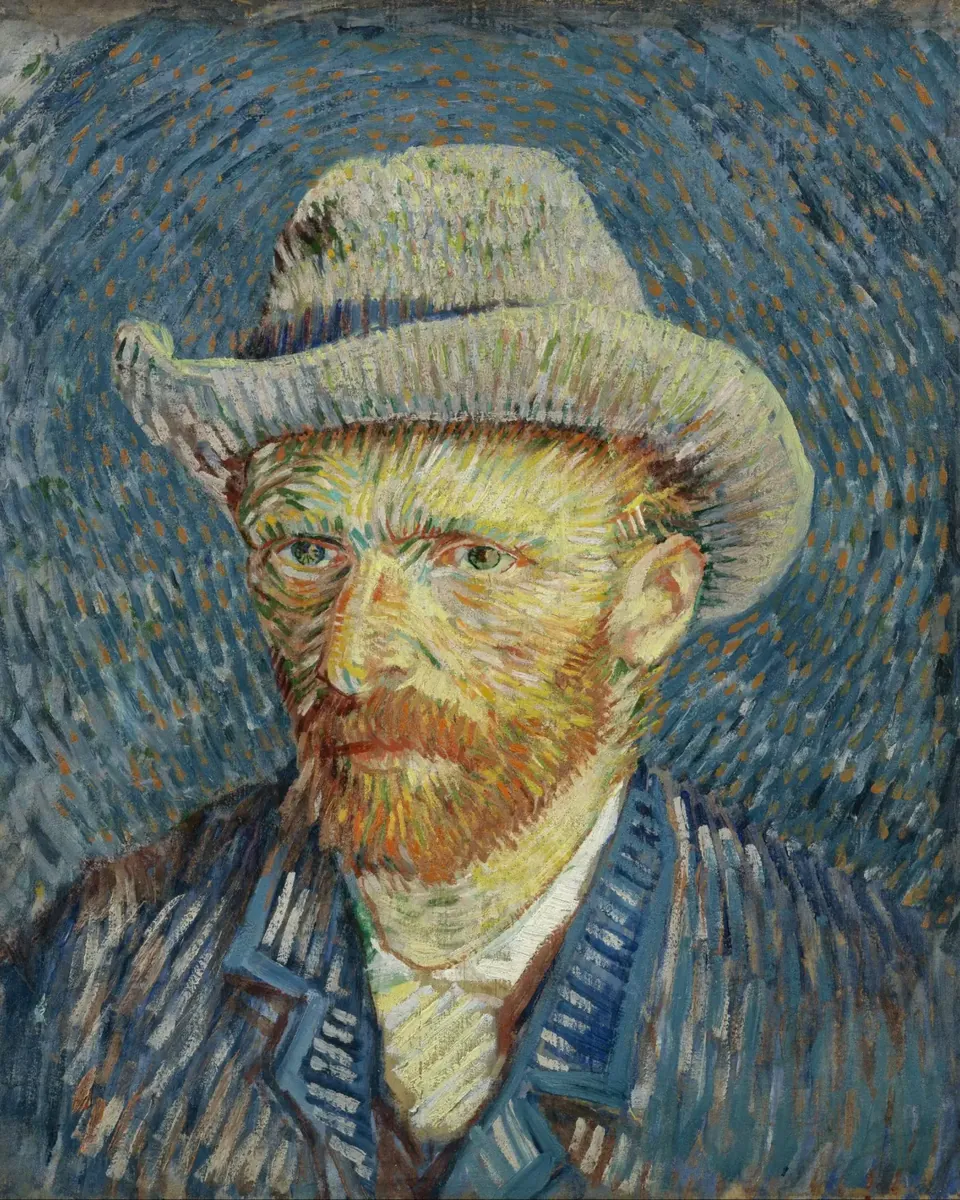
Vincent van Gogh
Created for “Vincent: Between Madness & Wonder” by Alegria Exhibition.
Read the Case Study →


Alfred for MERCK
A Digital Human brand host. Created once and used in Darmstadt and South Korea.
Read the Case Study →

What is the interactive Mercury?
An AI-powered Digital Human of the Roman god, based on a statue head found during excavations on the IPAI campus in Heilbronn.
What can visitors ask Mercury?
About Roman history, mythology, the god himself and the excavations where his statue head was found.
Where can visitors experience Mercury?
At IPAI SPACES in Heilbronn. The original statue head is shown at the Museum im Deutschhof.
Can visitors have a real conversation with him?
Yes. He answers visitors’ own questions in real time from approved archaeological and historical sources.
Is it suitable for archaeology exhibitions?
Yes. It turns objects that are hard to explain into something visitors can ask about, while curators keep control of the content.
Turn an object into a conversation
Tell us which object in your collection people ask about most.